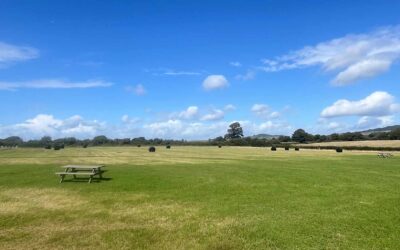
It’s been a week now since the partial solar eclipse. Being a busy time of year for us at our small campsite in West Dorset, I’ve only now found time to sit down at the kitchen table to reflect on the awe-inspiring celestial event.
Emily and I care about our campers; indeed nurture is one of our values and so we wanted to create a special event for them over the eclipse, where we could come together and experience something truly special. We were well prepared thanks to Go stargazing and had purchased our glasses months before. We had planned to gather all the campers in the meadow and have a BBQ afterwards to raise a little money for Astronomers without borders. Their strap line is ‘One people, One sky’. How beautiful is that! It reminds me of the John Lennon track Imagine. Anyway, I digress (not an unusual occurrence) ….A day or two before the solar eclipse I had noticed a nervousness creeping into my mind. “Will people want to come? Will they want to spend this special moment here?” I kept thinking.
The day of the solar eclipse came. I made an early morning visit to our local butcher Balsons to buy the sausages and burgers… “How many would I need?”, that nervousness appeared again. Back at our quiet campsite our guests were leaving to go to one of the many nearby beaches on the Jurassic coast for the day. There it was again….”Will they be back in time?”.
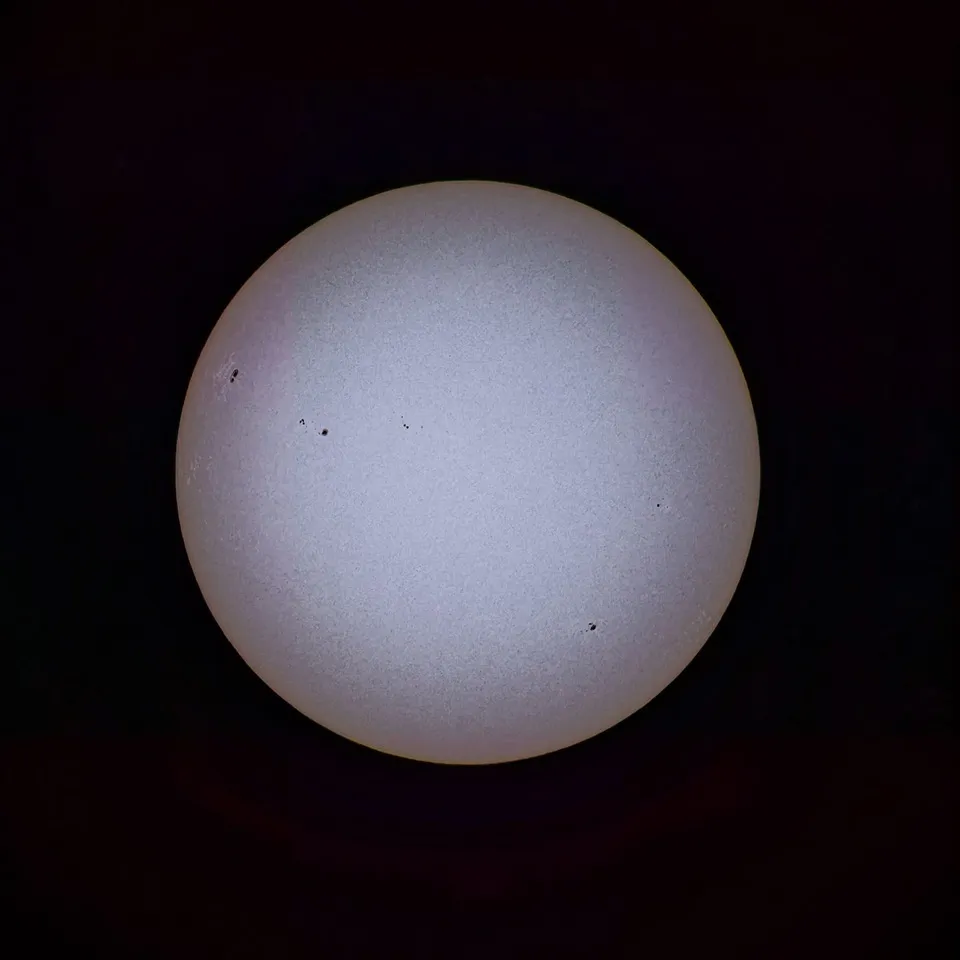
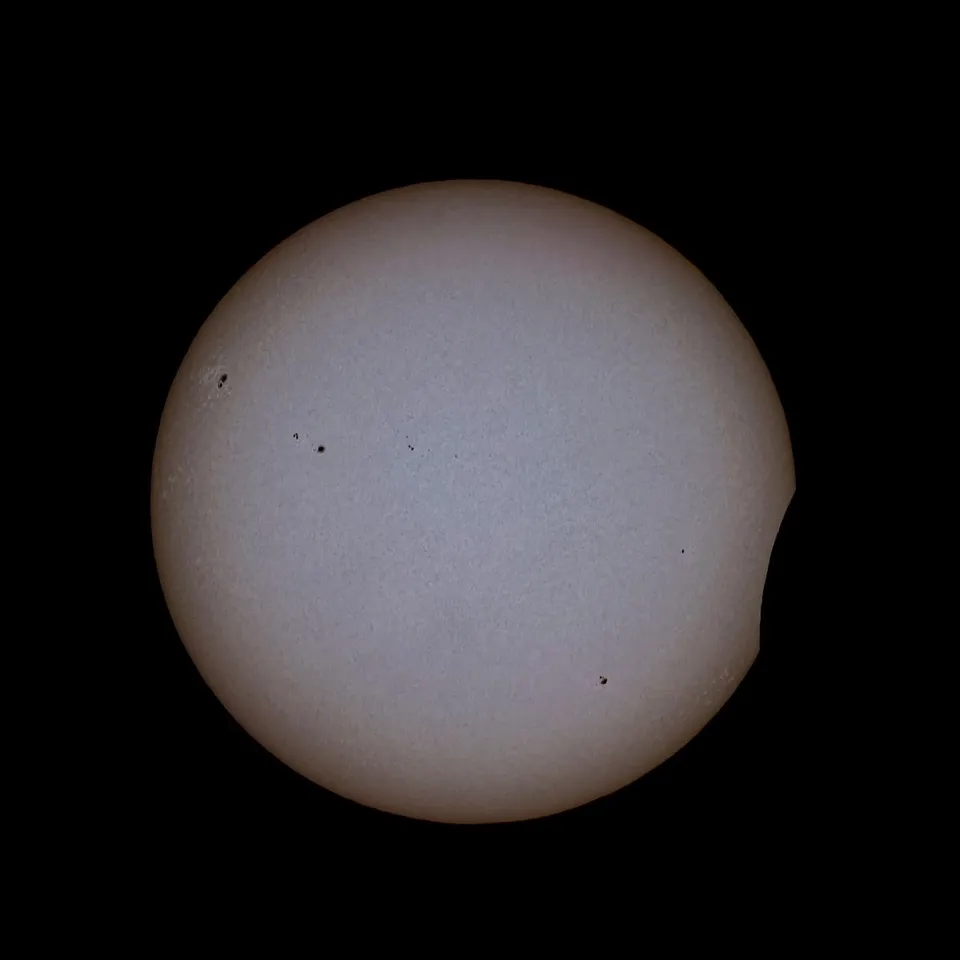
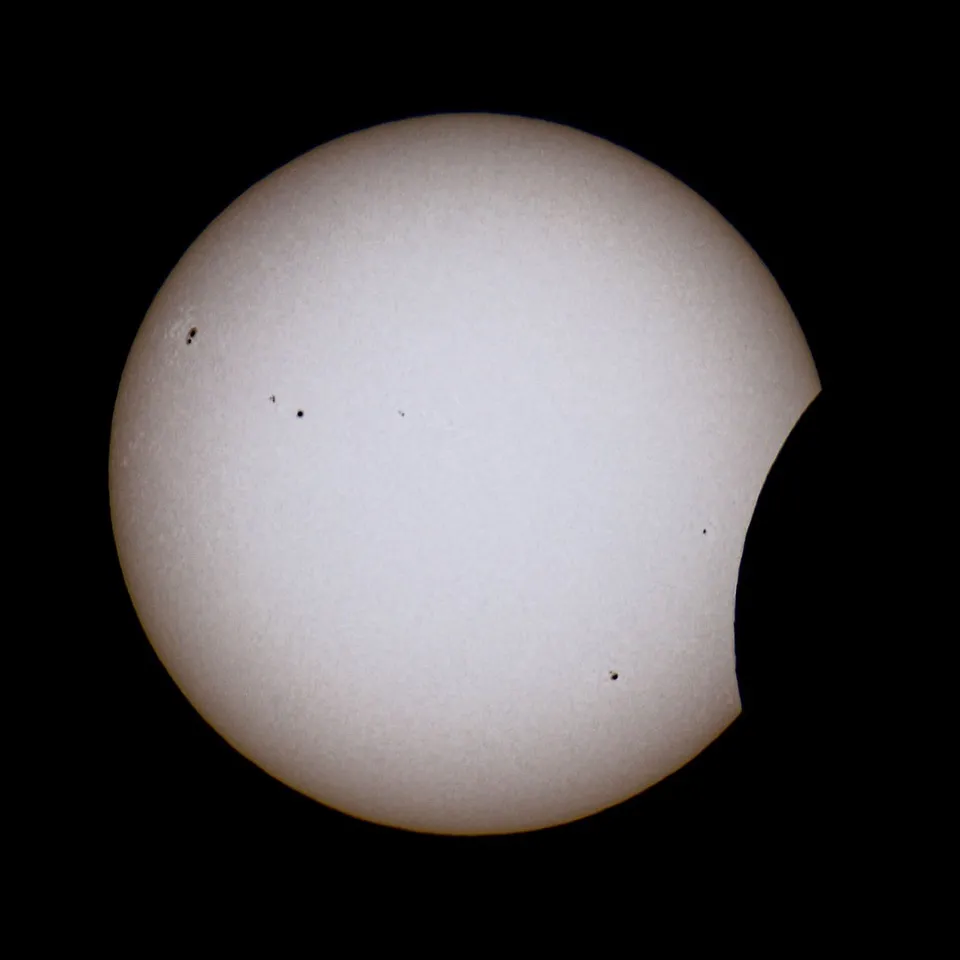
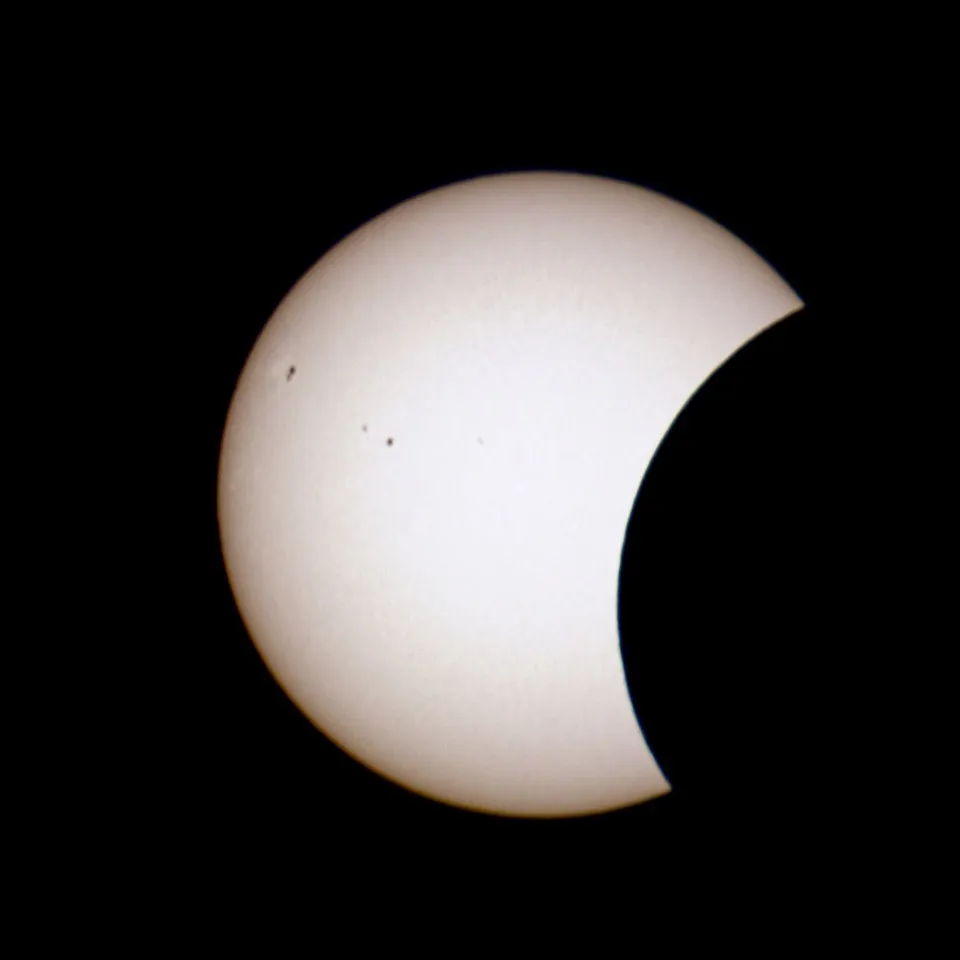
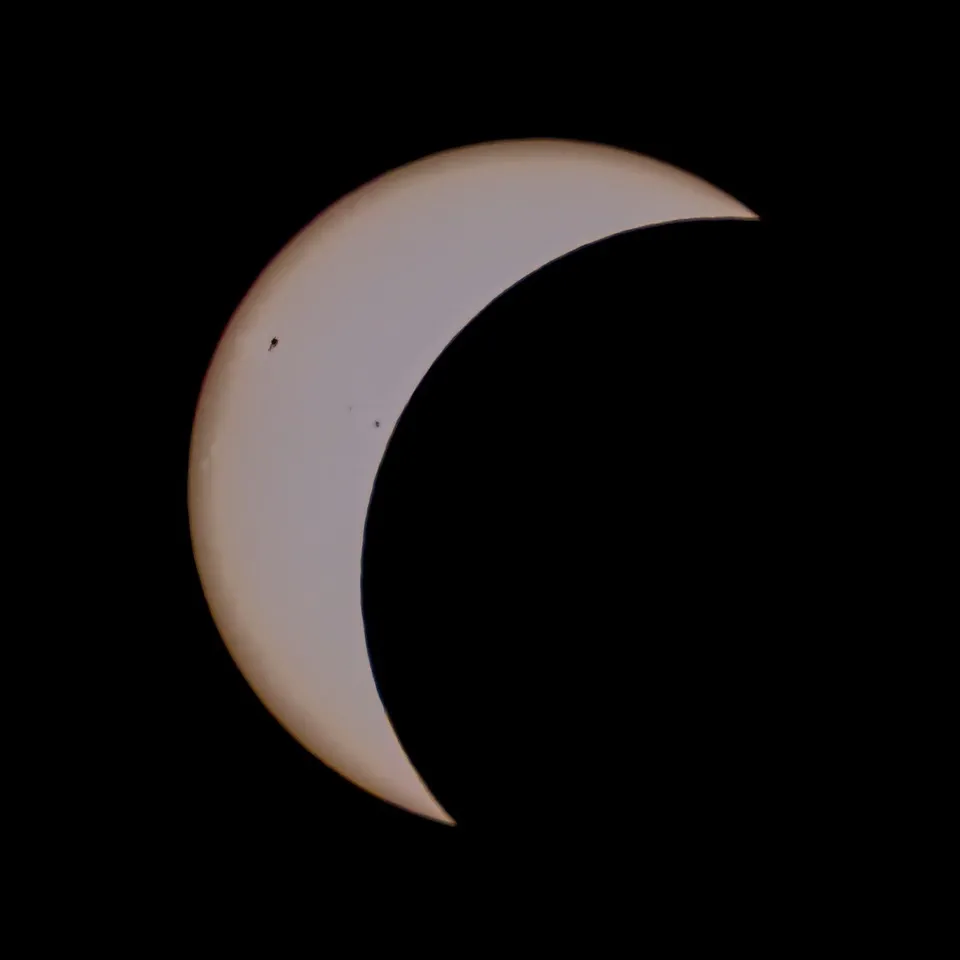
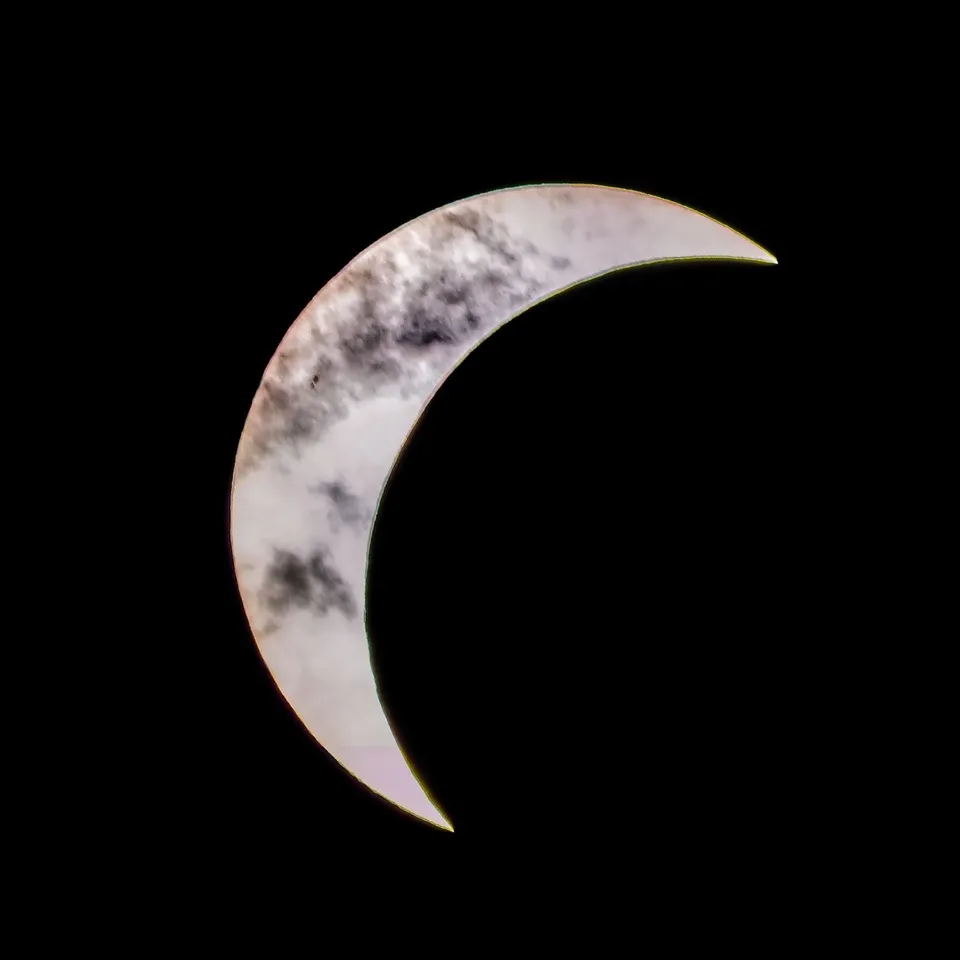
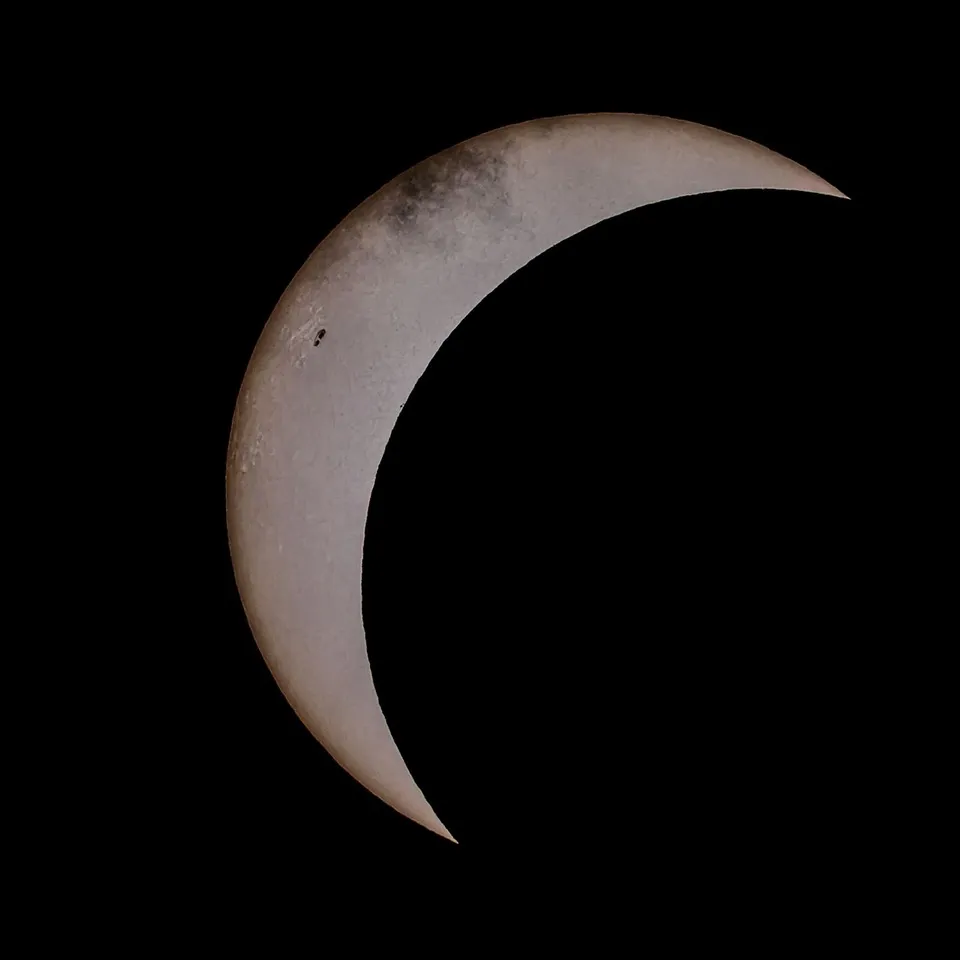
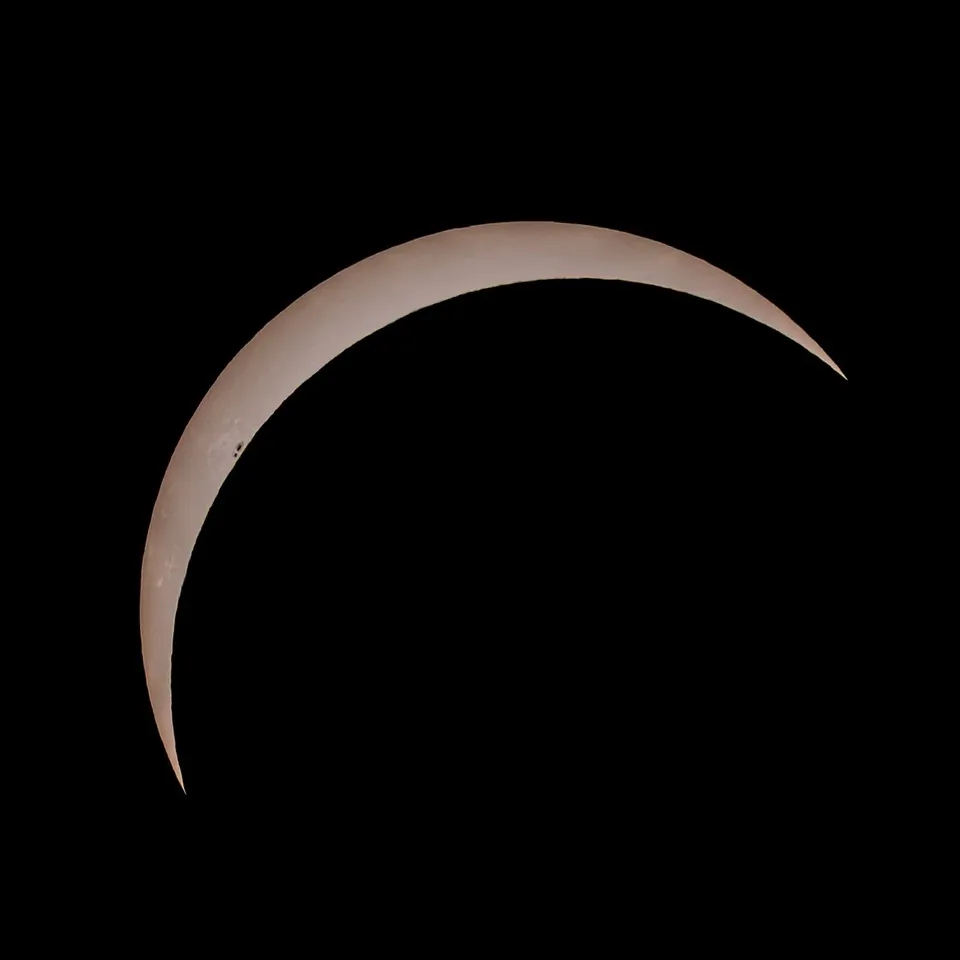
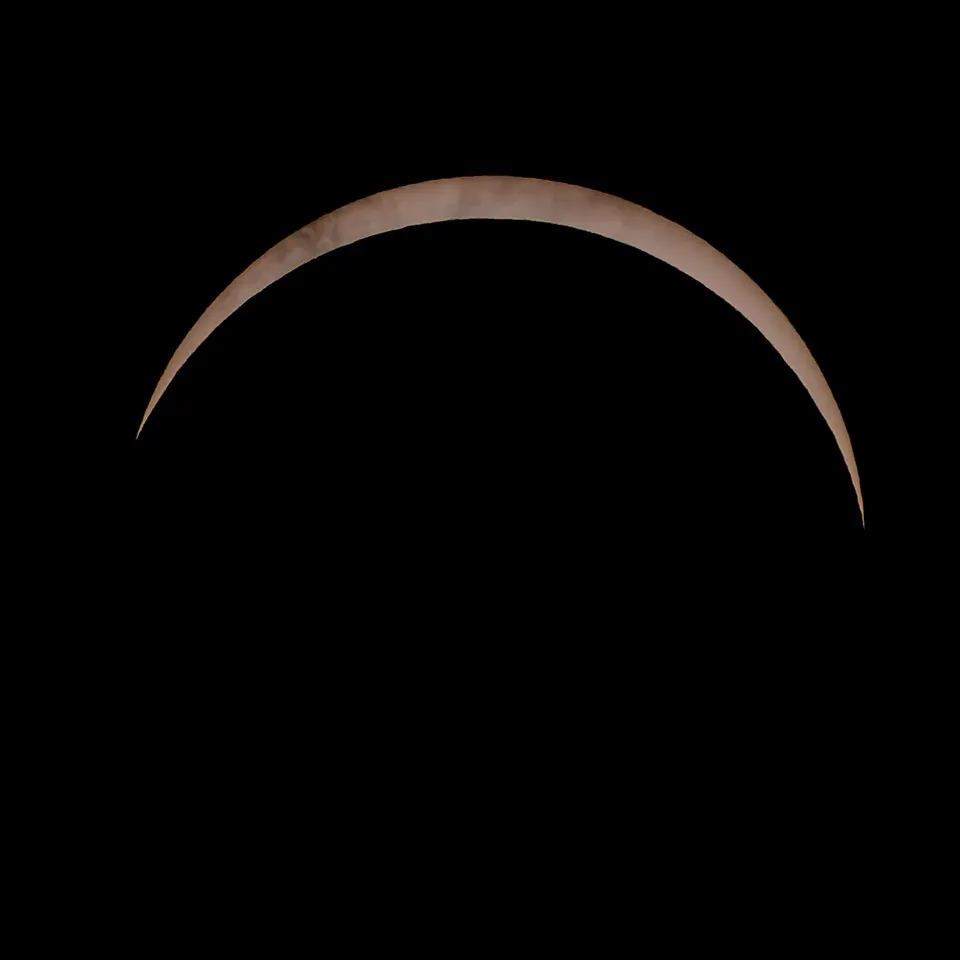
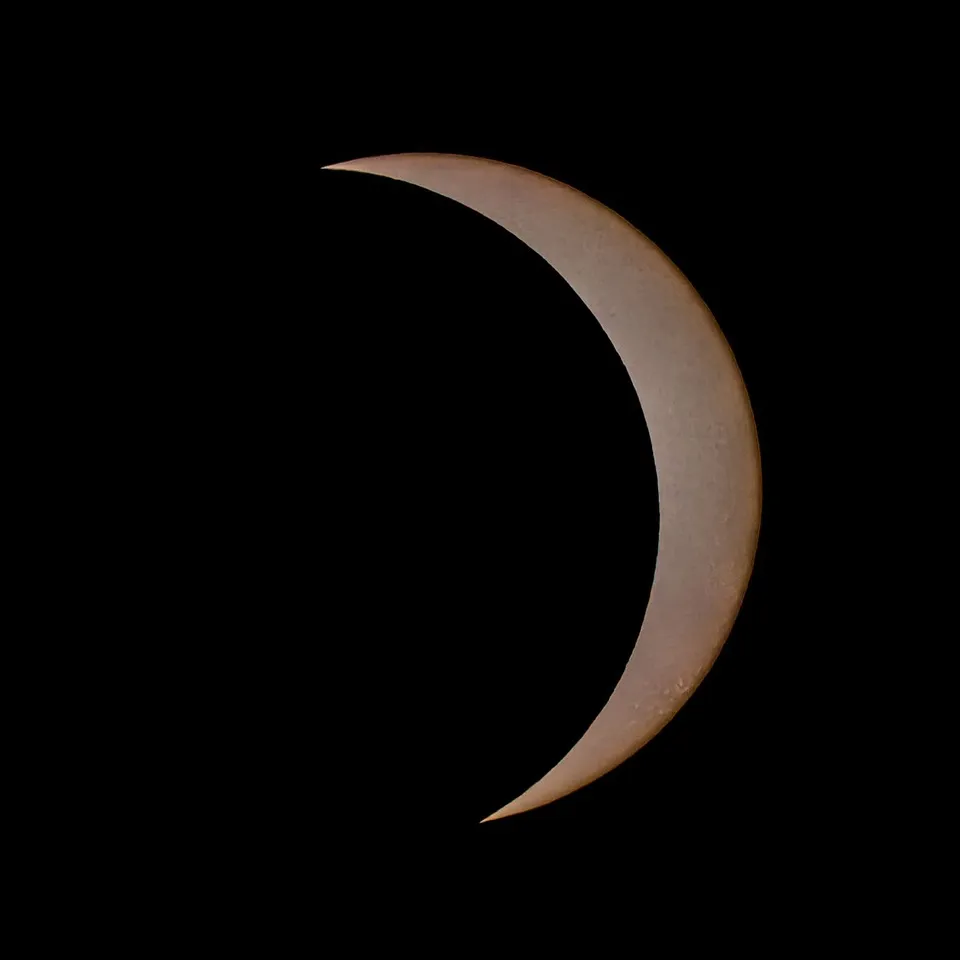
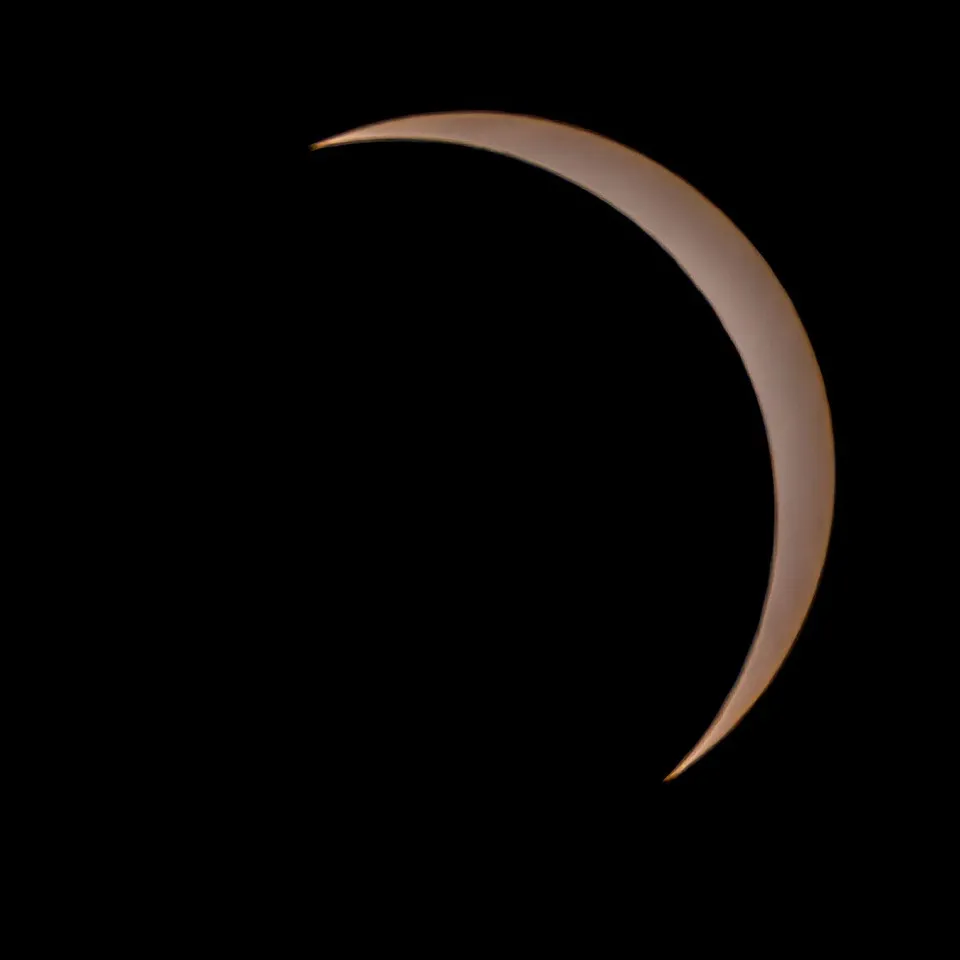
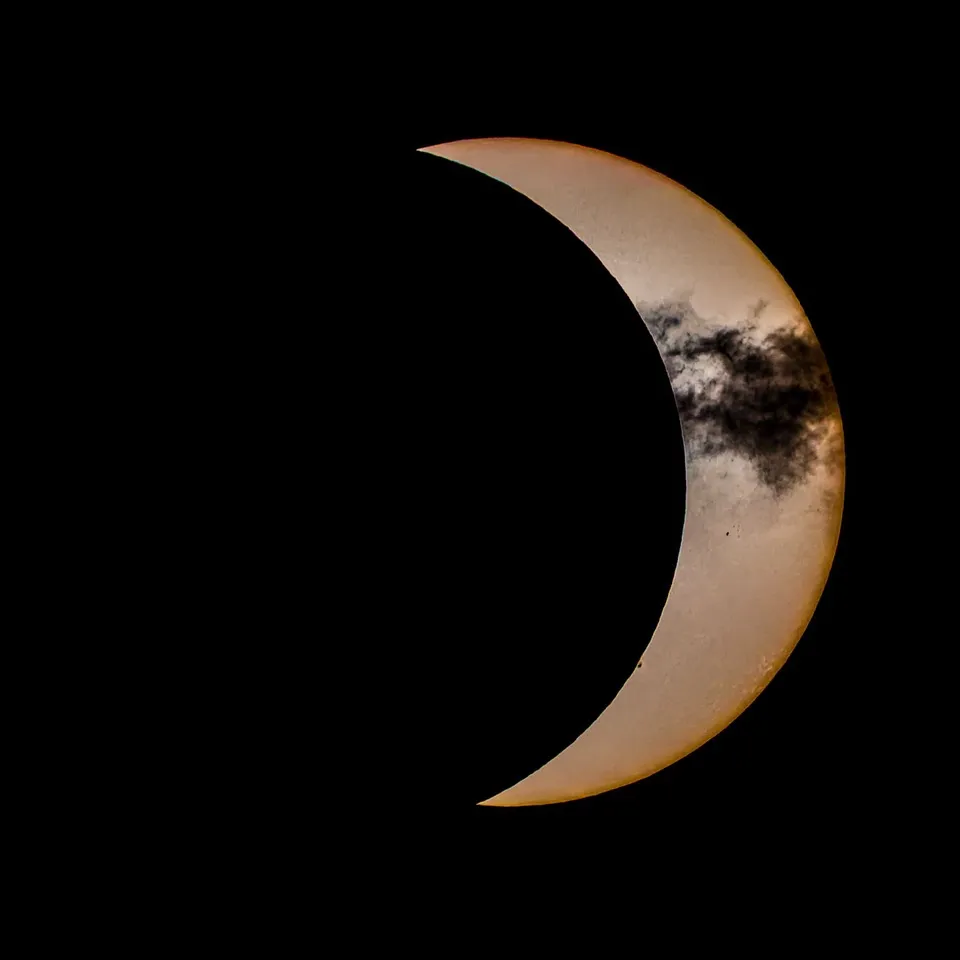
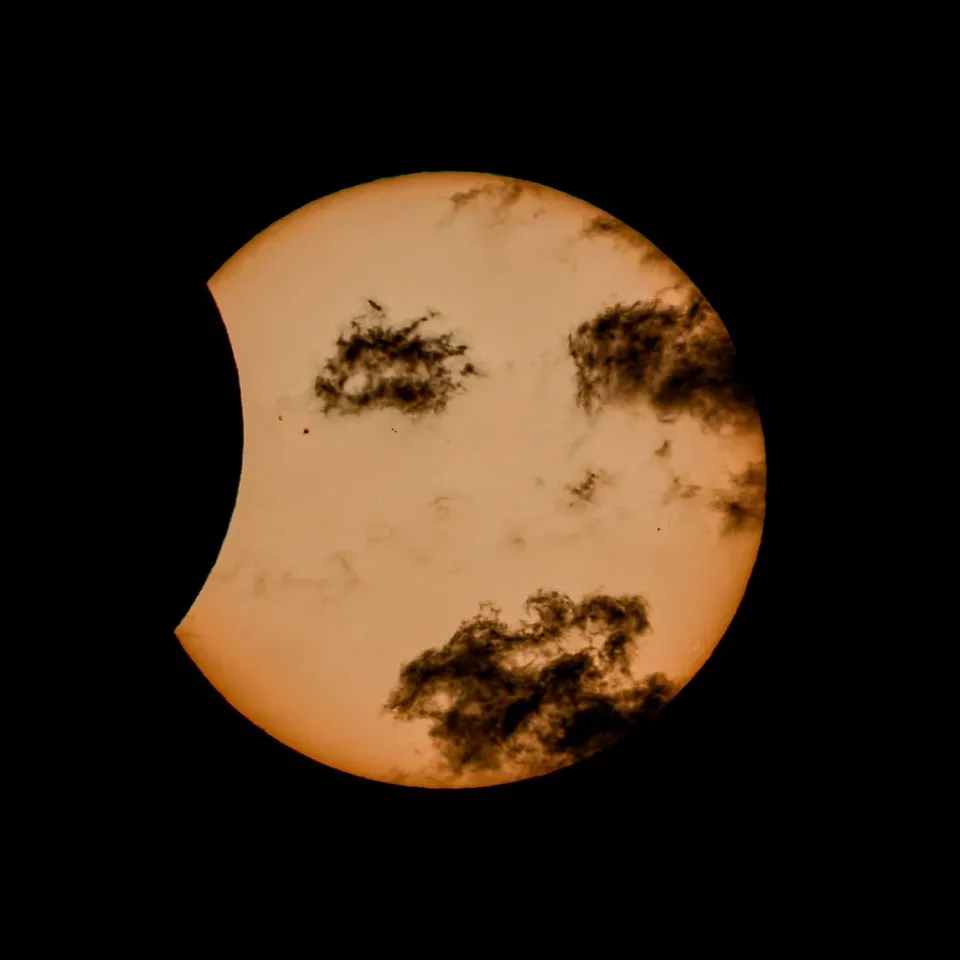
Photographs courtesy of Stephen Cottrell Photography
Build it and they will come.
Well, 6pm came and so did the guests, bringing chairs and blankets to sit on. People that had been strangers before they had arrived here were sitting together chatting, the excitement in the air was palpable. The eclipse glasses were handed out, everyone took their seats and then the moon began to move in front of the sun. To not only witness this but also witnessing the shared human experience in the meadow was an absolute joy, and one that will stay with me and everyone else in that meadow for a very long time to come. What struck me was the love and care that was shown to each other – sharing of glasses, stories of where they where for the last one, guests worrying that Sam my eldest son and I were not seeing it as we busied ourselves with the BBQ. My Heart was full and I realised that the Nurture is not only given here at Old Bidlake, but also very much received. My fear had gone replaced instead with love.
Now if you had read any of my other blogs, you will know by now that this experience is enough to send me of down a rabbit hole of research…..
I wondered if this experience had been the same throughout time. Here is what I came up with.
Long Before Telescopes, There Were Stories
For most of human history, nobody knew why the sun vanished in the daytime during a solar eclipse. What they did have instead were stories and those stories tell us as much about the human mind as any scientific explanation does.
- In Norse mythology, the sun goddess Sól was believed to be chased across the sky by the wolf Sköll, and an eclipse meant the wolf had briefly caught her.
- In Chinese tradition, a celestial dragon was said to devour the sun, which is why the ancient word for eclipse translates roughly to “eat the sun” – and why communities would bang drums and pots to frighten the dragon into releasing it.
- In Hindu mythology, the demon Rahu, having tricked his way into immortality, is said to swallow the sun in an eternal act of revenge, only for it to reappear moments later as it passes through his severed throat.
- Among the Pomo people (Native Americans of what is now Northern California), a bear was said to have started a fight with the sun, biting into it before eventually letting go.
- In Vikings and other Northern European pagan traditions, the sudden darkness was treated as an omen worth communal ritual with noise, prayer, and gathering against the unknown.
What’s striking to me isn’t that these explanations were “wrong” by modern standards. It’s that almost every culture, independently, reached for the same instinct: something is consuming the sun, and we must respond together with noise, with ritual, with each other. Fear made people find one another. In all those thousands of years we have not changed, we just look at what happened during covid for evidence of that.
Why We Still Need These Wonders
It’s not just gibberish; it’s proven scientific fact. We know, now, exactly why solar eclipses happen, the moon’s orbit, the precise geometry of shadow and light. And yet the knowing hasn’t diminished the wonder. If anything, it deepens it: we now understand we are on a small stone hurtling through space, watching another small stone, perfectly, briefly block a star ninety-three million miles away, in a coincidence of size and distance that our own moon happens to make possible; and we experience that feeling of awe I have written about before in a previous blog
Whether it’s a solar eclipse, a meteor shower or the aurora, natural wonders like this matter to us as awe-inspiring events regardless of all the facts we know. They are one of the few remaining experiences that reliably interrupt ordinary life, that stop the drums of routine and saves our minds from the taxidermy of social media and can make an entire meadow full of people fall silent at the same time, for the same reason. In this time of endless individual screens and private experiences, an eclipse is stubbornly collective. It cannot be experienced through a device the way it can be experienced standing shoulder to shoulder with someone else, watching the same sky darken or be filled with shooting stars, or change colour. This experience is beautifully written about by a good friend, a writer, poet and incredible artist Kerrie Gardner (A thin Place).
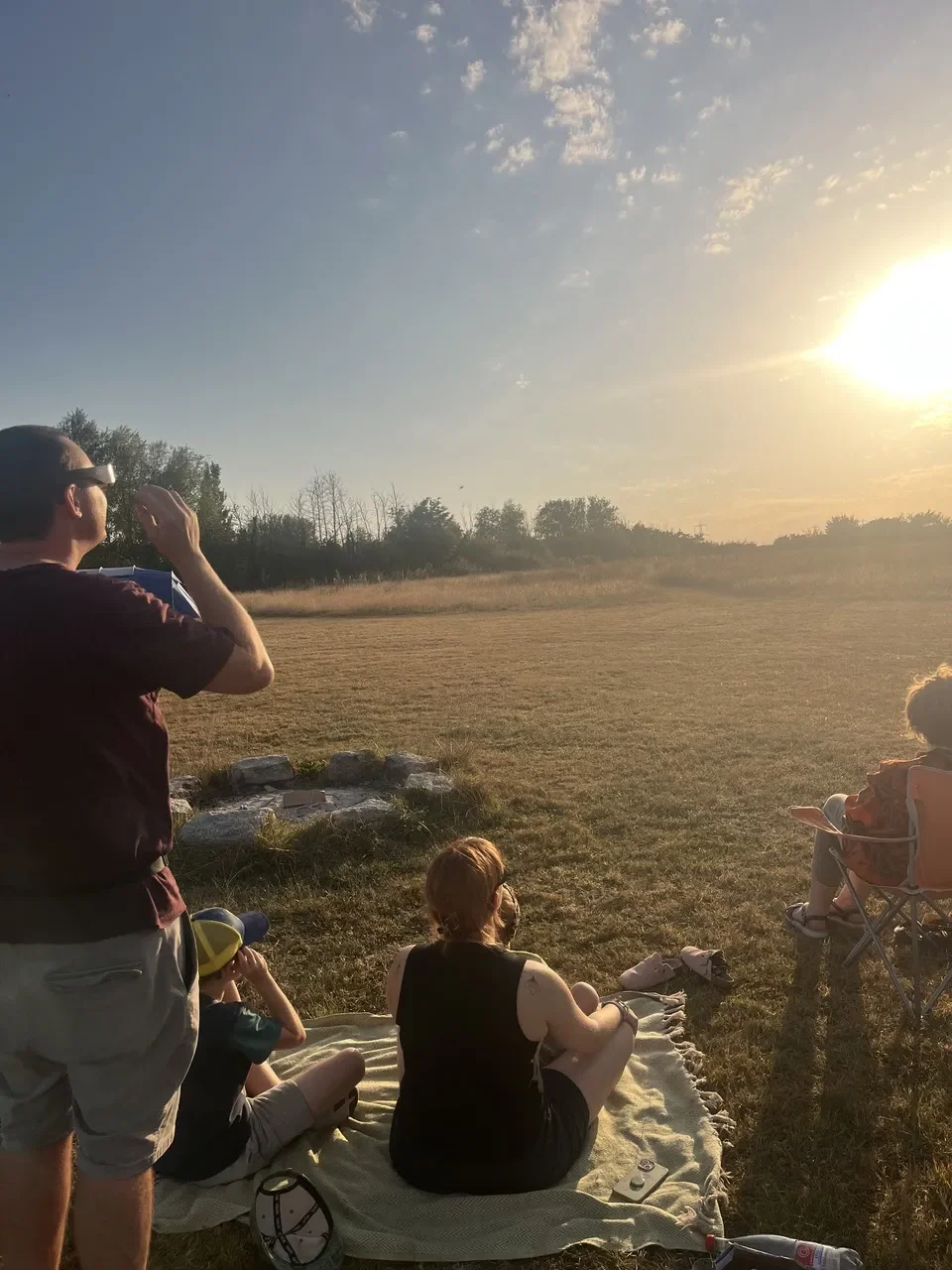
Maybe that’s the real inheritance from all those old myths of wolves, dragons and demons swallowing the sun. Our ancestors didn’t have the physics, but they understood the emotional truth perfectly: when the sky does something this strange, this rare, this beautiful, you don’t want to face it alone. You want to be standing in a field with everyone else you know, watching the light come back together. This reminds me of the Rumi poem on our website.
Out Beyond Ideas of Wrongdoing and Rightdoing
Out beyond ideas of wrongdoing and rightdoing,
There is a field. I’ll meet you there.
When the soul lies down in that grass,
The world is too full to talk about.
Ideas, language, even the phrase each other
Doesn’t make any sense.
I will leave it there. I cannot compete with Rumi nor do I need to.
However, we can be assured that nurturing is alive and well at Old Bidlake.