Yep, you guessed it I’m sat at the kitchen table again. This time looking at our bookings for the year. 31.9% of bookings this year were either return campers or personally recommended. So, a massive thank you to you for keeping on coming back and putting the word out there. It really does mean a lot to Emily and I. It feels like we really are building an Old Bidlake community.
From the busy summer months, the bookings begin to thin out as we slip into the months of September and October. Why do bookings drop off? Obviously, the school holidays and bank holidays have the biggest impact, but does the weather impact at all? Is cool camping too cold?
Cold or Cool Camping?
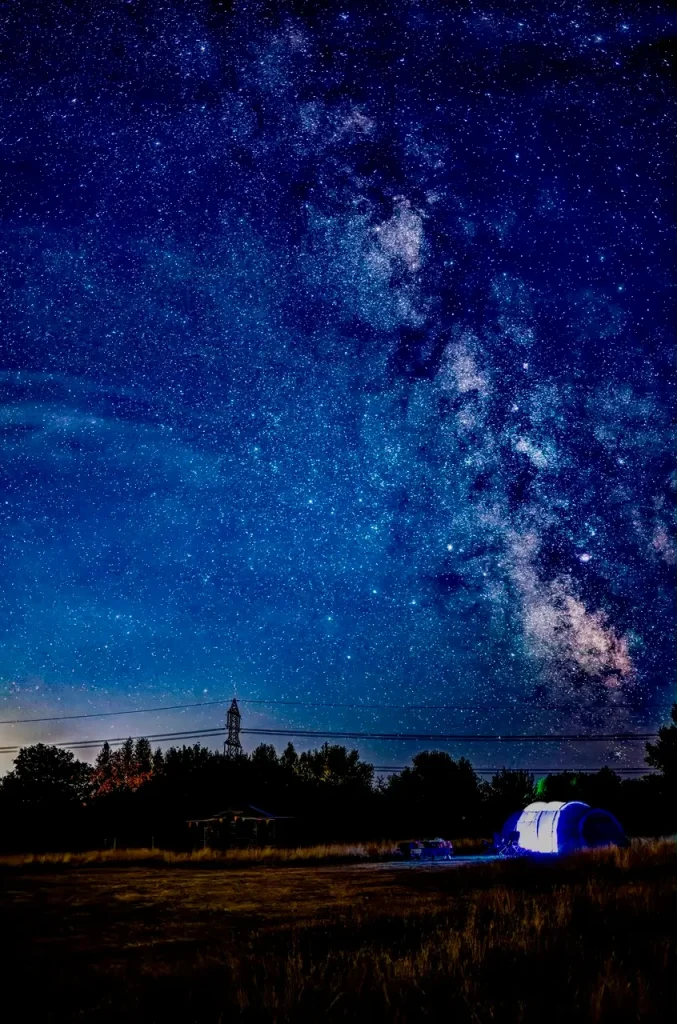
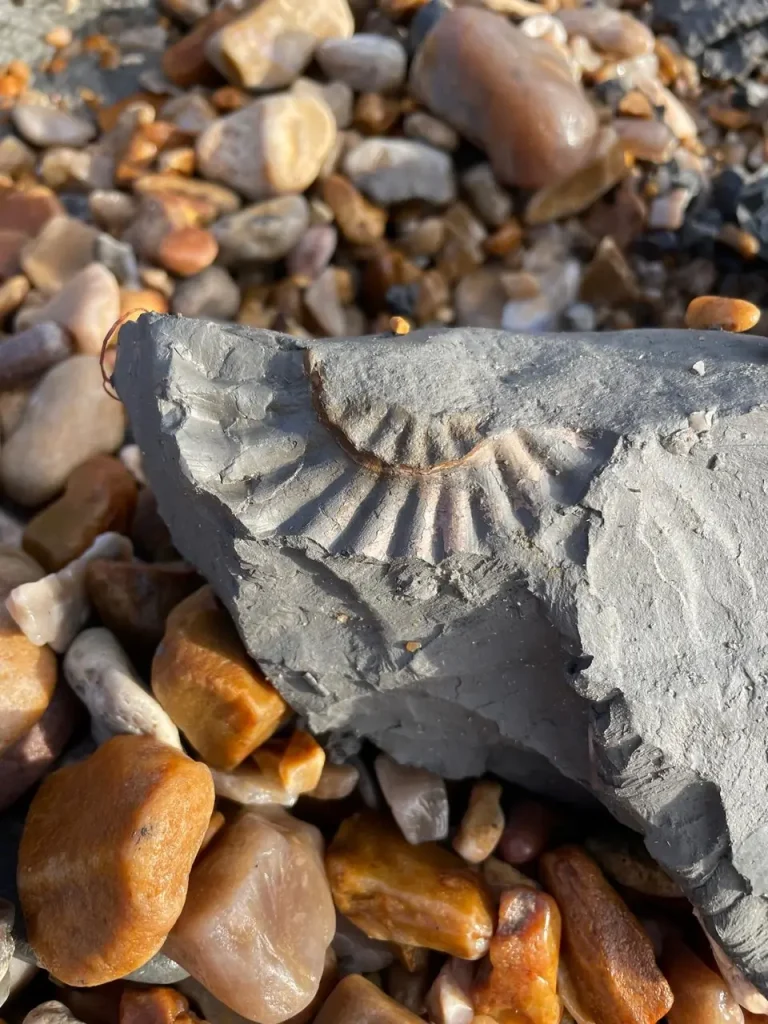
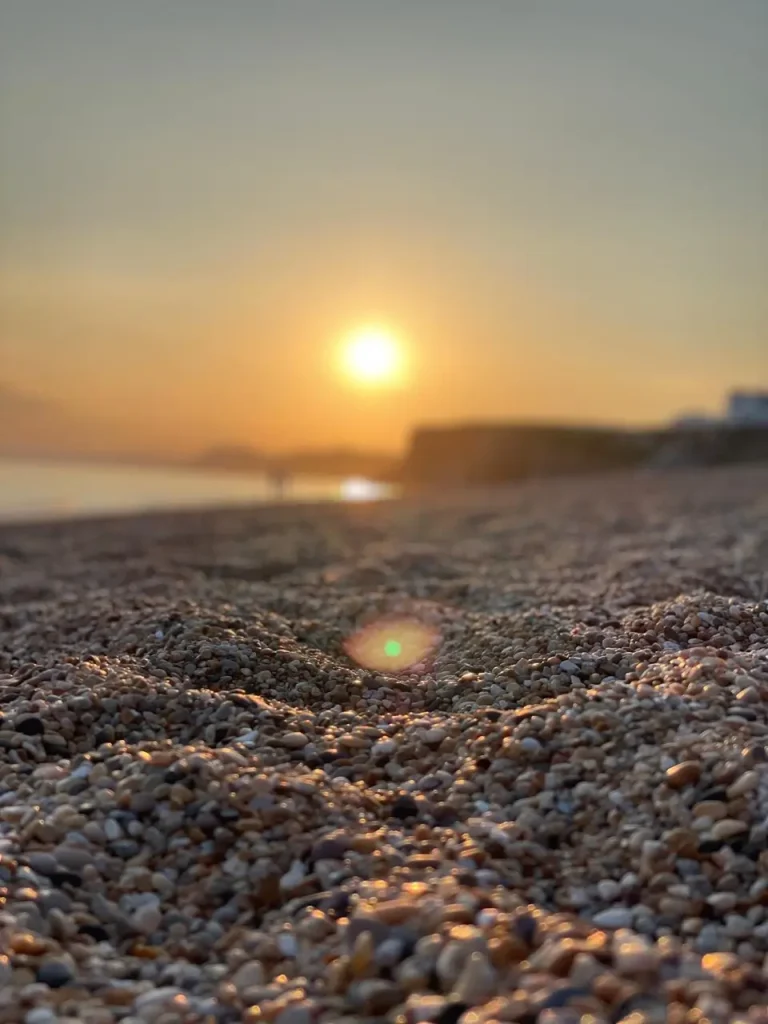
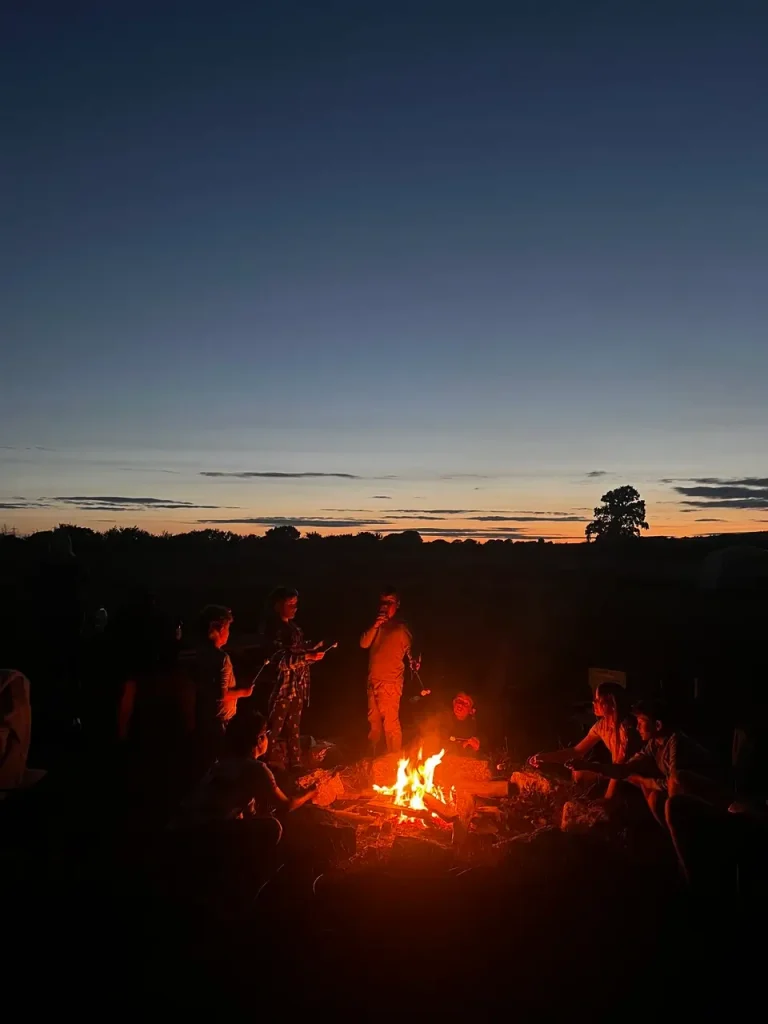
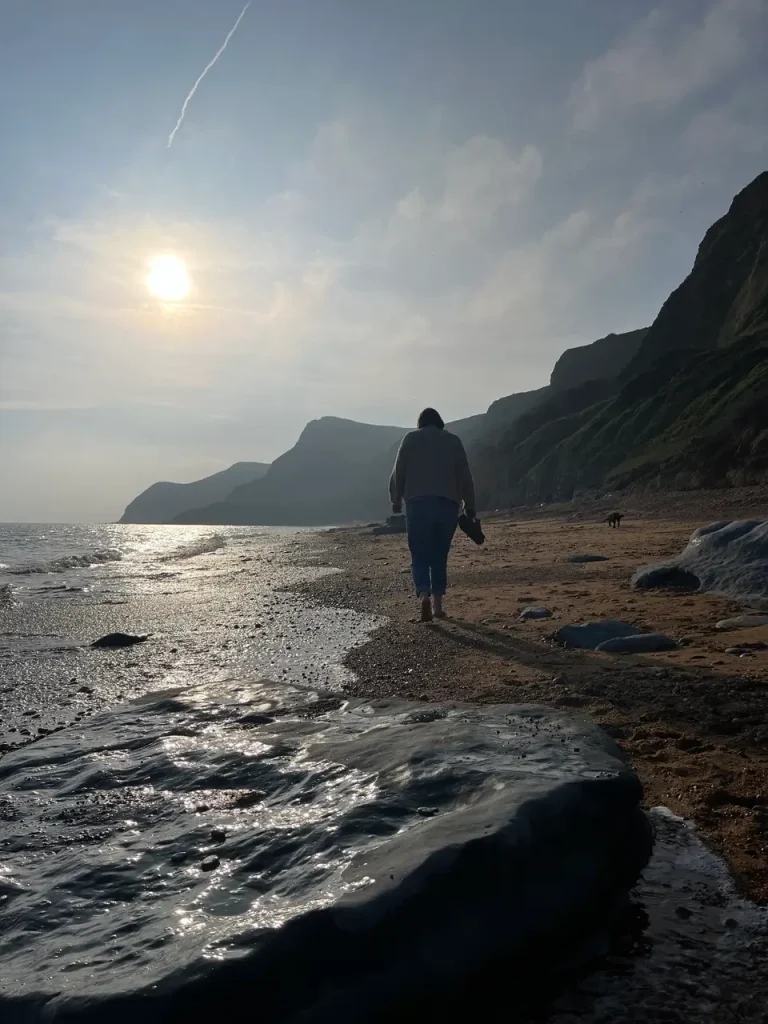
I shall let you into a little secret, Sept/Oct are my favourite months for camping. While camping here you can spend the days at Charmouth fossil hunting or in Lyme Regis when there are less people. Returning to Old Bidlake after a day on the Jurassic coast is perfect to relax and unwind, the evenings being darker and cooler are perfect to sit around the campfire. A backdrop of the obsidian night with pin pricks of celestial light are fabulous for star gazing and is truly magical. Or huddled up in the campers snug reading or playing a game. It’s the perfect time for solo campers or couples to come away as well, and we are offering 20% off to couples to come away in these months.
A Good Nights Sleep
A good night sleep is key to enjoying camping at any time of year. A broken night’s sleep quickly effects your wellbeing. The biggest challenge in my experience is getting cold at night, and this can be as much as an August issue as a September one. In the cool camping months there is an art to keeping warm. So, delving into my years of camping experience as a child in the scouts and then with my own kids. Then living off grid in a shepherd’s hut, here is the total sum of my wisdom.
Simon’s Camping Tips
Most people assume the cold at night comes from the air around them, but the real heat thief is from underneath you, the ground pulls warmth out of your body through direct conduction far faster than the air ever will, which is why insulating from the ground up is more important than almost anything else in camping. Start at the base: a decent camping mat rated at R4 (An R-value is a measure of how well an object resists heat flow) the higher the number the better it is. A thermal rating of 4 or higher creates the barrier that stops your body heat draining straight into the earth all night, (a cheap comfy looking inflatable mattress with no R value has a lot of cold air right underneath you and does not support your body properly). A thermal picnic blanket underneath your R4 mattress doubles nicely as extra ground insulation and doubles as a warm layer for evenings by the fire. From there it’s about trapping what heat you generate rather than losing it, a well-suited sleeping bag either a 3 or 4 season is essential. It’s easier to open the bag to cool down than it is to wake up cold and warm up. A woolly hat (a surprising amount of heat escapes through your head), and dry socks make a bigger difference than most people expect.
Ear plugs might seem like an odd addition to a warmth list, but a broken night’s sleep leaves your body worse at regulating its own temperature, and I can’t guarantee that James’ cows will not moo at 5am, so protecting your rest is part of protecting your warmth. And then there’s the tent itself, a smaller tent will actually keep you warmer than a tall canvas glamping bell tent or huge family tent, because the height of these tents gives your body heat a lot of empty air to rise into and disperse before it ever gets the chance to warm the space around you, the more compact the volume, the faster your own warmth builds up and stays where you need it. Another top tip. Do not go to bed cold, have a brisk walk and hot drink before you go to bed.
Simon’s Recommendations:
- Tent – Berghaus air 400 Night fall a great compromise of Tent volume and comfort for 4 with plenty of ventilation. Alternatively consider Two smaller tents great when the kids are a little older, and the tents pack down smaller.
- A good quality sleeping matt. I personally recommend the North peak matt 4 inches thick, a thermal rating of R4 Taking you down to -6. With the added bonus of being able to link them together.
- Sleeping bag – these are a very personal thing; however a 3-season bag is essential. It’s easier to open the bag to cool down than it is to wake up cold and warm up. Being a big chap, I prefer a larger bag but remember the same principle with the tent applies here. The larger the space the harder to warm up.
I hope that helps and that you might be tempted to venture out in September and October despite the cooler nights.
We hope to see you soon. A warm welcome awaits. As I finish writing this blog on cool camping, I’m looking out of the French doors, and it is beautiful. 6 buzzards are circling the thermal above James ploughing. The willow is just beginning to turn golden. There is the inevitable clucking of happy hens and the solar panels are receiving 6975kw of sunlight and the thermometer outside is reading 22º – not bad for the end of September empty beaches and stunning night skies.